
Stöbern
genialokal zum Startbildschirm hinzufügen
Installieren Sie die genialokal App auf Ihrem Startbildschirm für einen schnellen Zugriff und eine komfortable Nutzung.
Installieren Sie die genialokal App auf Ihrem Startbildschirm für einen schnellen Zugriff und eine komfortable Nutzung.
Tippen Sie einfach auf Teilen:
 Und dann auf "Zum Home-Bildschirm [+]".
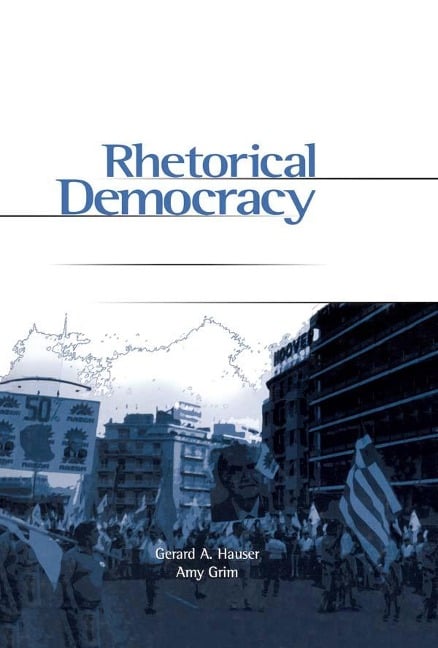
This collection presents theoretical, critical, applied, and pedagogical questions and cases of publics and public spheres, examining these contexts as sources and sites of civic engagement. Reflecting the current state of rhetorical theory and research, the contributions arise from the 2002 conference proceedings of the Rhetoric Society of America (RSA). The collected essays bring together rhetoricians of different intellectual stripes in a multi-traditional conversation about rhetoric's place in a democracy. In addition to the wide variety of topics presented at the RSA conference, the volume also includes the papers from the President's Panel, which addressed the rhetoric surrounding September 11, 2001, and its aftermath. Other topics include the rhetorics of cyberpolitical culture, race, citizenship, globalization, the environment, new media, public memory, and more. This volume makes a singular contribution toward improving the understanding of rhetoric's role in civic engagement and public discourse, and will serve scholars and students in rhetoric, political studies, and cultural studies.
Gerard Hauser, Amy Grim
Contents: Preface. G. Hauser, Rhetorical Democracy and Civic Engagement. Part I: Plenary Papers.B.E. Gronbeck, Citizen Voices in Cyberpolitical Culture. S.W. Logan, Identification and Resistance: Women's Civic Discourse Across the Color Line. R.A. Eberly, Plato's Shibboleth Delineations; or, the Complete Idiot's Guide to Rhetoric. H.W. Simons, The Temple Issues Forum: Innovations in Pedagogy for Civic Engagement. Part II: President's Panel: The Rhetoric of 9/11 and Its Aftermath.G. Hauser, Introduction to the President's Panel. F.A. Beer, Terrorist Rhetorics, Rhetorics of Democracies, and Worlds of Meaning. D.L. Cloud, The Triumph of Consolatory Ritual Over Deliberation Since 9/11. R.A. Eberly, Citizen Rhetorics After 9/11: Back to Bidness as Usual. M. Andrejevic, The Rehabilitation of Propaganda: Post-9/11 Media Coverage in the United States. J.A. Aune, Remarks for 9/11 Panel. R. Hariman, Public Culture and Public Stupidity Post-9/11. T. Farrell, Love and Theft After 9/11: Magnification in the Rhetorical Aftermath. Part III: Selected Papers.J. Blitefield, Populist Poetry or Rantum-Scantum? The Civil Disobedients of Poetry Slams. J. Carlacio, Alternative Articulations of Citizenship: The Written Discourse of a Nineteenth-Century African American Woman. J.R. Cox, The Rhetorical Display of "Publicness" in Global Institutions. A. Dobyns, Civil Disobedience and the Ethical Appeal of Self-Representation. T. Doherty, The Coalition Rhetoric of Rose Schneiderman. J. Ellis, Identity Across Blood Meridians.D.L. Emery, Defending the Public: Procedural Rationality and the Limits of Actually Existing Jurisprudence. D.C. Gore, Between Sympathy and Self-Interest: A Reframing of Adam Smith's Economic Rhetoric. R.W. Greene, The Concept of Global Citizenship in Michael Hardt and Antonio Negri's Empire: A Challenge to Three Ideas of Rhetorical Mediation. S. Hellman, Rhetoric of Globalization: A Social Movement Defines Its Collective Identity in America. D.B. Hingstman, Strategies of Objection in the Trial of the Chicago Eight. R.S. Iltis, Figuration of Moral Reform in the Rhetoric of Theodore Dwight Weld. S.B. Katz, The Alphabet as Ethics: A Rhetorical Basis for Moral Reality in Hebrew Letters. W. Keith, Dewey, Discussion, and Democracy in Speech Pedagogy. J.B. Killoran, Homepages, Blogs, and the Chronotopic Dimensions of Personal Civic (Dis-)Engagement. S.A. Klien, Civic Education and Republican Judgment: The Stem Cell Research Discourse of George W. Bush. B. Lain, Panoramic Memories: Realism, Agency, and the Remembrance of Japanese American Internment. J. Ludwig, Rhetorics of Subversion and Silence: The Naming of Illinois State University's Student Union. K.S. McAllister, Tyrannical Technology and Thin Democracy. M. Moghtader, How Medium Clarifies Message in Emerson's "Divinity School Address." R. Norgaard, Desire and Performance at the Classroom Door: Discursive Laminations of Academic and Civic Engagement. O. Ochieng, Sisyphus at Starbucks: Complicity Through Resistance in the Satire of Liberties.D.M. Oswald, Learning to Be Civil: Citizen Judith and Old English Culture. M. Parker, Memory, Narrative, and Myth in the Construction of National Identity: A Rhetorical Analysis of the Senate Debate Over Reparations for Japanese Americans. A. Pym, Oral Mind in Civic Engagement: Common Sense and Rhetorical Action. S. Romano, Fanaticism, Civil Society, and the Arts of Representation in Sixteenth-Century Mexico. J.B. Scott, Service-Learning and Cultural Studies: Toward a Hybrid Pedagogy of Rhetorical Intervention.
Dieses eBook wird im PDF-Format geliefert und ist mit einem Adobe Kopierschutz (DRM) versehen. Sie können dieses eBook mit allen Geräten lesen, die das PDF-Format und den Adobe Kopierschutz (DRM) unterstützen.
Zum Beispiel mit den folgenden Geräten:
• tolino Reader
Laden Sie das eBook direkt über den Reader-Shop auf dem tolino herunter oder übertragen Sie das eBook auf Ihren tolino mit einer kostenlosen Software wie beispielsweise Adobe Digital Editions.
• Sony Reader & andere eBook Reader
Laden Sie das eBook direkt über den Reader-Shop herunter oder übertragen Sie das eBook mit der kostenlosen Software Sony READER FOR PC/Mac oder Adobe Digital Editions auf ein Standard-Lesegeräte mit epub- und Adobe DRM-Unterstützung.
• Tablets & Smartphones
Möchten Sie dieses eBook auf Ihrem Smartphone oder Tablet lesen, finden Sie hier unsere kostenlose Lese-App für iPhone/iPad und Android Smartphone/Tablets.
• PC & Mac
Lesen Sie das eBook direkt nach dem Herunterladen mit einer kostenlosen Lesesoftware, beispielsweise Adobe Digital Editions, Sony READER FOR PC/Mac oder direkt über Ihre eBook-Bibliothek in Ihrem Konto unter „Meine eBooks“ - „online lesen“.
Schalten Sie das eBook mit Ihrer persönlichen Adobe ID auf bis zu sechs Geräten gleichzeitig frei.
Bitte beachten Sie, dass die Kindle-Geräte das Format nicht unterstützen und dieses eBook somit nicht auf Kindle-Geräten lesbar ist.