Und dann auf "Zum Home-Bildschirm [+]".

Stöbern
genialokal zum Startbildschirm hinzufügen
Installieren Sie die genialokal App auf Ihrem Startbildschirm für einen schnellen Zugriff und eine komfortable Nutzung.
Installieren Sie die genialokal App auf Ihrem Startbildschirm für einen schnellen Zugriff und eine komfortable Nutzung.
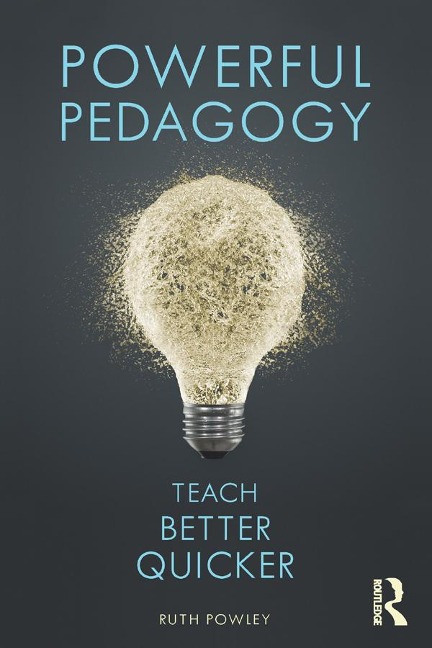
How can we teach better quicker? In Powerful Pedagogy, Ruth Powley, Love Learning Ideas blogger and experienced teacher and school leader, debunks teaching and learning myths and shows how the more we know about pedagogy, the more able we are to make informed and efficient choices about our practice, saving ourselves valuable time. Focusing on building sequences of learning rather than one-off lessons, it is an antidote to 'quick fix' books, empowering teachers as professionals in possession of 'powerful' pedagogical knowledge that can be used to improve teaching in a sustainable way. Powerful Pedagogy draws extensively from a wide range of educational writers and research, offering an accessible synthesis of what really works in the classroom. Together with strategies to put theories and research into practice, each chapter contains a handy list of questions for the reflective practitioner. It explores reasons for the confusion over what constitutes effective pedagogy in recent years and presents practical research-based solutions, outlining successful and efficient: - Modelling of excellence - Explaining for understanding - Practising to fluency - Questioning as assessment - Testing to permanency - Marking for improvement - Effective planning of lessons and curriculum sequences. Powerful Pedagogy allows teachers to understand how to make the best choices about what works in the classroom, improving the quality of teaching. It is an essential companion for trainee and experienced teachers in all sectors, and for school leaders and educational trainers.
Ruth Powley is Deputy Headteacher at Wilmslow High School, Cheshire, UK, and author of the immensely popular Love Learning Ideas blog @powley_r.
Introduction: Why don't we know what effective teaching looks like? Chapter 1: What is powerful pedagogy? Chapter 2: Four principles of effective learning Chapter 3: Six principles of effective instruction Planning for effective instruction Part 1: Planning effective lessons Chapter 4: Modelling of excellence Chapter 5: Explaining for understanding Chapter 6: Practising to fluency Chapter 7: Questioning as assessment Chapter 8: Testing to permanency Chapter 9: Marking for improvement Planning for effective instruction Part 2: Designing effective curriculum sequences
Dieses eBook wird im PDF-Format geliefert und ist mit einem Adobe Kopierschutz (DRM) versehen. Sie können dieses eBook mit allen Geräten lesen, die das PDF-Format und den Adobe Kopierschutz (DRM) unterstützen.
Zum Beispiel mit den folgenden Geräten:
• tolino Reader
Laden Sie das eBook direkt über den Reader-Shop auf dem tolino herunter oder übertragen Sie das eBook auf Ihren tolino mit einer kostenlosen Software wie beispielsweise Adobe Digital Editions.
• Sony Reader & andere eBook Reader
Laden Sie das eBook direkt über den Reader-Shop herunter oder übertragen Sie das eBook mit der kostenlosen Software Sony READER FOR PC/Mac oder Adobe Digital Editions auf ein Standard-Lesegeräte mit epub- und Adobe DRM-Unterstützung.
• Tablets & Smartphones
Möchten Sie dieses eBook auf Ihrem Smartphone oder Tablet lesen, finden Sie hier unsere kostenlose Lese-App für iPhone/iPad und Android Smartphone/Tablets.
• PC & Mac
Lesen Sie das eBook direkt nach dem Herunterladen mit einer kostenlosen Lesesoftware, beispielsweise Adobe Digital Editions, Sony READER FOR PC/Mac oder direkt über Ihre eBook-Bibliothek in Ihrem Konto unter „Meine eBooks“ - „online lesen“.
Schalten Sie das eBook mit Ihrer persönlichen Adobe ID auf bis zu sechs Geräten gleichzeitig frei.
Bitte beachten Sie, dass die Kindle-Geräte das Format nicht unterstützen und dieses eBook somit nicht auf Kindle-Geräten lesbar ist.