Und dann auf "Zum Home-Bildschirm [+]".

Stöbern
genialokal zum Startbildschirm hinzufügen
Installieren Sie die genialokal App auf Ihrem Startbildschirm für einen schnellen Zugriff und eine komfortable Nutzung.
Installieren Sie die genialokal App auf Ihrem Startbildschirm für einen schnellen Zugriff und eine komfortable Nutzung.
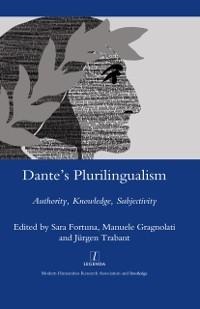
Dante's conception of language is encompassed in all his works and can be understood in terms of a strenuous defence of the volgare in tension with the prestige of Latin. By bringing together different approaches, from literary studies to philosophy and history, from aesthetics to queer studies, from psychoanalysis to linguistics, this volume offers new critical insights on the question of Dantes language, engaging with both the philosophical works characterized by an original project of vulgarization, and the poetic works, which perform a new language in an innovative and self-reflexive way. In particular, Dantes Plurilingualism explores the rich and complex way in which Dantes linguistic theory and praxis both informs and reflects an original configuration of the relationship between authority, knowledge and identity that continues to be fascinated by an ideal of unity but is also imbued with a strong element of subjectivity and opens up towards multiplicity and modernity.
Introduction: Dante's Plurilingualism Part I: Theories 1. Mother Tongues in the Middle Ages and Dante 2. Millena variatio: Overcoming the Horror of Variation 3. Man as a Speaking and Political Animal: A Political Reading of Dante's De vulgari eloquentia 4. Volgare e latino nella storia di Dante 5. Le idee linguistiche di Dante e il naturalismo fiorentino-toscano del Cinquecento 6. Aristotele e Dante, filosofi della variabilità linguistica Part II: Authority 7. The Roots of Dante's Plurilingualism: 'Hybridity' and Language in the Vita nova 8. Language as a Mirror of the Soul: Guilt and Punishment in Dante's Concept of Language 9. Plurilingualism sub specie aeternitatis and the Strategies of a Minority Author Part III: Subjectivity 10. Dante's Blind Spot (Inferno XVI-XVII) 11. Trasmutabile per tutte guise': Dante in the Comedy 12. Is Ulysses Queer? The Subject of Greek Love in Inferno XV and XXVI 13. Lost for Words: Recuperating Melancholy Subjectivity in Dante's Eden 14. (In-)Corporeality, Language, Performance in Dante's Vita Nuova and Commedia 15. Dante After Wittgenstein: 'Aspetto', Language, and Subjectivity from Convivio to Paradiso
Dieses eBook wird im PDF-Format geliefert und ist mit einem Adobe Kopierschutz (DRM) versehen. Sie können dieses eBook mit allen Geräten lesen, die das PDF-Format und den Adobe Kopierschutz (DRM) unterstützen.
Zum Beispiel mit den folgenden Geräten:
• tolino Reader
Laden Sie das eBook direkt über den Reader-Shop auf dem tolino herunter oder übertragen Sie das eBook auf Ihren tolino mit einer kostenlosen Software wie beispielsweise Adobe Digital Editions.
• Sony Reader & andere eBook Reader
Laden Sie das eBook direkt über den Reader-Shop herunter oder übertragen Sie das eBook mit der kostenlosen Software Sony READER FOR PC/Mac oder Adobe Digital Editions auf ein Standard-Lesegeräte mit epub- und Adobe DRM-Unterstützung.
• Tablets & Smartphones
Möchten Sie dieses eBook auf Ihrem Smartphone oder Tablet lesen, finden Sie hier unsere kostenlose Lese-App für iPhone/iPad und Android Smartphone/Tablets.
• PC & Mac
Lesen Sie das eBook direkt nach dem Herunterladen mit einer kostenlosen Lesesoftware, beispielsweise Adobe Digital Editions, Sony READER FOR PC/Mac oder direkt über Ihre eBook-Bibliothek in Ihrem Konto unter „Meine eBooks“ - „online lesen“.
Schalten Sie das eBook mit Ihrer persönlichen Adobe ID auf bis zu sechs Geräten gleichzeitig frei.
Bitte beachten Sie, dass die Kindle-Geräte das Format nicht unterstützen und dieses eBook somit nicht auf Kindle-Geräten lesbar ist.