Und dann auf "Zum Home-Bildschirm [+]".

Stöbern
genialokal zum Startbildschirm hinzufügen
Installieren Sie die genialokal App auf Ihrem Startbildschirm für einen schnellen Zugriff und eine komfortable Nutzung.
Installieren Sie die genialokal App auf Ihrem Startbildschirm für einen schnellen Zugriff und eine komfortable Nutzung.

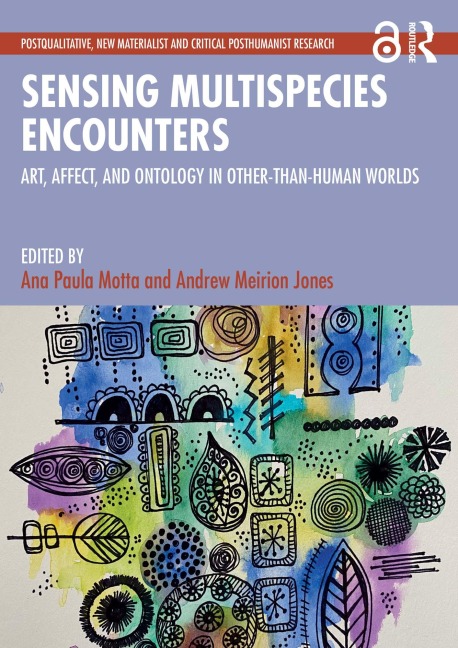
This book explores the 'animal turn' that has reshaped humanities and social science scholarship over recent decades. The chapters describe the nuanced engagements between humans, animals, plants, and landscapes, challenging conventional anthropocentric perspectives and paving the way for a deeper understanding of multispecies relations. This volume navigates the contested territory of aesthetics, examines the intersections of art and anthropology, and sheds light on cross-cultural and cross-species interpretations. Through insightful chapters and analyses, readers are invited to explore the theoretical and methodological challenges within multispecies worlds while highlighting the influence of Indigenous knowledge on our perceptions and theories of non-human entities. It includes contributions from artists, archaeologists, historians, and environmental humanities scholars. This volume will be an essential resource for those seeking to expand their understanding of art, performance, and the intricate relationships between humans and non-humans. Whether exploring the complexities of nature/culture dichotomies or reimagining the boundaries of aesthetics, it offers a compelling journey into the vibrant tapestry of multispecies aesthetics.
Ana Paula Motta is a Postdoctoral Fellow at the Institut für Ur- und Frühgeschichte, Christian-Albrechts-Universität zu Kiel, supported by a Gerda Henkel Stiftung. Her work bridges multispecies archaeology, Indigenous studies, and decolonial theory and is grounded in a dual background in anthropology and archaeology. Andrew Meirion Jones is Professor of Archaeology in the Department of Archaeology and Classical Studies at Stockholm University, Sweden. He has taught and written extensively on the archaeology of art, particularly focusing on rock art, portable art, and art-archaeology collaborations in decolonial museum contexts.
List of Figures List of Table Book Abstract Series Editor's Foreword List of Contributors Acknowledgements Introduction: On the Challenges of Sensing Multispecies Encounters Ana Paula Motta and Andrew Meirion Jones Part I - Multispecies Landscapes and Materials 1 Multispecies Engagements and Cosmopolitics: A Perspective from North-Central Chile (Southern Andes) Andrés Troncoso 2 Transtemporal Storytelling and Speculative Folklore of Extraction Christina Fredengren 3 Kinmaking and Settle Response-ability: Cultivating Moral Obligations Through Interspecies Earth/Work Ruth K. Burke 4 Visual Enchantment and Captivating Styles Bruno Vindrola-Padrós Part II - Multispecies Encounters 5 Multispecies Dwellings and Deep Time Encounters: Kangaroos in Australian Identities Ana Paula Motta 6 Thinking with Un-Charismatic Mini-Fauna Caroline Owman 7 Genghis Khan's Golden Whip: Material-Affect through Ritualistic Self-Flagellation as Performative Justice for Racehorses Madeleine Boyd 8 Killing for Survival? Art, Landscapes and Emasculated Human-Elephant Relationships in Rhodesia (Present Day Zimbabwe), Southern Africa, c. up to the 1970s Eddington Maseya Afterword: Flying Fox Aesthetics Natsha Fijn