
Stöbern
genialokal zum Startbildschirm hinzufügen
Installieren Sie die genialokal App auf Ihrem Startbildschirm für einen schnellen Zugriff und eine komfortable Nutzung.
Installieren Sie die genialokal App auf Ihrem Startbildschirm für einen schnellen Zugriff und eine komfortable Nutzung.
Tippen Sie einfach auf Teilen:
 Und dann auf "Zum Home-Bildschirm [+]".

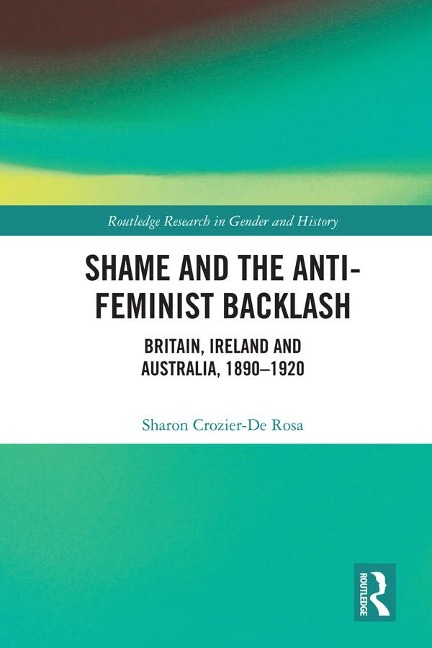
Shame and the Anti-Feminist Backlash examines how women opposed to the feminist campaign for the vote in early twentieth-century Britain, Ireland, and Australia used shame as a political tool. It demonstrates just how proficient women were in employing a diverse vocabulary of emotions - drawing on concepts like embarrassment, humiliation, honour, courage, and chivalry - in the attempt to achieve their political goals. It looks at how far nationalist contexts informed each gendered emotional community at a time when British imperial networks were under extreme duress. The book presents a unique history of gender and shame which demonstrates just how versatile and ever-present this social emotion was in the feminist politics of the British Empire in the early decades of the twentieth century. It employs a fascinating new thematic lens to histories of anti-feminist/feminist entanglements by tracing national and transnational uses of emotions by women to police their own political communities. It also challenges the common notion that shame had little place in a modernizing world by revealing how far groups of patriotic womanhood, globally, deployed shame to combat the effects of feminist activism.
Sharon Crozier-De Rosa is a senior lecturer in history at the University of Wollongong.
Introduction 1. Shaming Unwomanly Women 2. Reversing the Shame of British Colonisation 3. Embarrassing the Imperial Centre 4. Shaming British-Australia 5. War and the Dishonourable British Feminist 6. Shaming Manhood to Embody Courage 7. The Shame of the Violent Woman. Conclusion