Und dann auf "Zum Home-Bildschirm [+]".

Stöbern
genialokal zum Startbildschirm hinzufügen
Installieren Sie die genialokal App auf Ihrem Startbildschirm für einen schnellen Zugriff und eine komfortable Nutzung.
Installieren Sie die genialokal App auf Ihrem Startbildschirm für einen schnellen Zugriff und eine komfortable Nutzung.
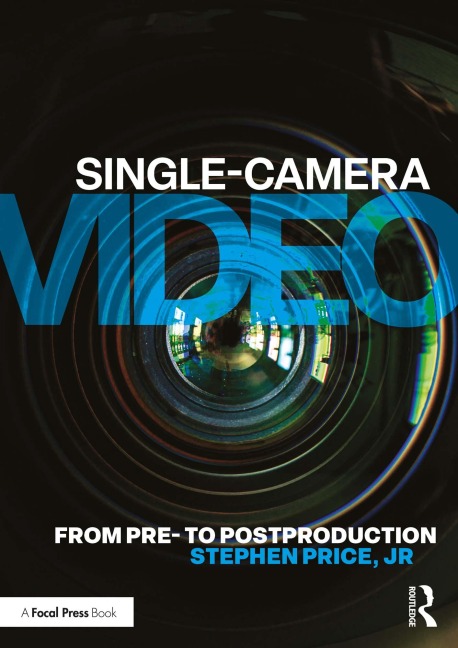
This book contains everything a student needs to know about planning, shooting, and editing a single-camera video project. Steve Price takes students through the entire single-camera video production process, from pre- to post-, showing students how to expertly plan, light, capture audio, shoot, edit, and color-correct their work successfully and effectively. In addition, he teaches students how to translate their skills to any single-camera genre in the industry through dedicated chapters on fiction and non-fiction projects, such as narrative films and series, commercials, music videos, documentary films, news packages, and corporate and freelance videos. Each of these chapters discusses how preproduction, production, and postproduction differ between the genres, featuring tailored tips and tricks for each individual mode of production, as well as a case study that helps demonstrate the differences and similarities between each one. This book is a must-have for any filmmaking, media production, and communications students taking a class in single-camera video production.
Stephen Price, Jr. is a professor at the University of Central Missouri and has worked in the media industry for almost 30 years. He started out in sports radio, but has since produced TV news, commercials, music videos, corporate videos, and documentary films. He was the president of the Missouri Broadcast Educators Association for 6 years, and has been the Chair of the Production Aesthetics and Criticism Division of the national BEA organization. He's been teaching for over 20 years across four different universities, with classes that cover every type of video production, including scriptwriting, cinematography, video editing, documentary film production, and corporate and freelance production.
Part I: Preproduction (Chapters 1-3); 1 Scripts and Storyboards; 2 Locations; 3 Scheduling; Part II. Production (Chapters 4-6); 4 Shooting; 5 Lighting; 6 Sound; Part III Postproduction (Chapters 7-9); 7 Editing; 8 Audio Post; 9 Coloring; Part IV Producing Fiction (Chapters 10-12); 10 Narrative Films and Series; 11 Commercials; 12 Music Videos; Part V Producing Non-fiction (Chapters 13-15); 13 Documentary Films; 14 News Packages; 15 Corporate and Freelance Production
Dieses eBook wird im PDF-Format geliefert und ist mit einem Adobe Kopierschutz (DRM) versehen. Sie können dieses eBook mit allen Geräten lesen, die das PDF-Format und den Adobe Kopierschutz (DRM) unterstützen.
Zum Beispiel mit den folgenden Geräten:
• tolino Reader
Laden Sie das eBook direkt über den Reader-Shop auf dem tolino herunter oder übertragen Sie das eBook auf Ihren tolino mit einer kostenlosen Software wie beispielsweise Adobe Digital Editions.
• Sony Reader & andere eBook Reader
Laden Sie das eBook direkt über den Reader-Shop herunter oder übertragen Sie das eBook mit der kostenlosen Software Sony READER FOR PC/Mac oder Adobe Digital Editions auf ein Standard-Lesegeräte mit epub- und Adobe DRM-Unterstützung.
• Tablets & Smartphones
Möchten Sie dieses eBook auf Ihrem Smartphone oder Tablet lesen, finden Sie hier unsere kostenlose Lese-App für iPhone/iPad und Android Smartphone/Tablets.
• PC & Mac
Lesen Sie das eBook direkt nach dem Herunterladen mit einer kostenlosen Lesesoftware, beispielsweise Adobe Digital Editions, Sony READER FOR PC/Mac oder direkt über Ihre eBook-Bibliothek in Ihrem Konto unter „Meine eBooks“ - „online lesen“.
Schalten Sie das eBook mit Ihrer persönlichen Adobe ID auf bis zu sechs Geräten gleichzeitig frei.
Bitte beachten Sie, dass die Kindle-Geräte das Format nicht unterstützen und dieses eBook somit nicht auf Kindle-Geräten lesbar ist.