Und dann auf "Zum Home-Bildschirm [+]".

Stöbern
genialokal zum Startbildschirm hinzufügen
Installieren Sie die genialokal App auf Ihrem Startbildschirm für einen schnellen Zugriff und eine komfortable Nutzung.
Installieren Sie die genialokal App auf Ihrem Startbildschirm für einen schnellen Zugriff und eine komfortable Nutzung.

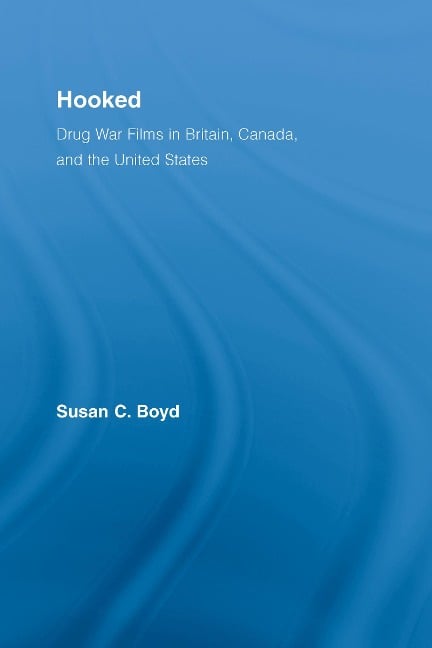
Drug prohibition emerged at the same time as the discovery of film, and their histories intersect in interesting ways. This book examines the ideological assumptions embedded in the narrative and imagery of one hundred fictional drug films produced in Britain, Canada, and the U.S. from 1912 to 2006, including Broken Blossoms, Reefer Madness, The Trip, Superfly, Withnail and I, Traffik, Traffic, Layer Cake, Harold and Kumar Go to White Castle, Trailer Park Boys, and more. Boyd focuses on past and contemporary illegal drug discourse about users, traffickers, drug treatment, and the intersection of criminal justice with counterculture, alternative, and stoner flicks. She provides a socio-historical and cultural criminological perspective, and an analysis of race, class and gender representations in illegal drug films. This illuminating work will be an essential text for a wide range of students and scholars in the fields of criminology, sociology, media, gender and women's studies, drug studies, and cultural studies.
Susan C. Boyd is an Associate Professor in Studies in Policy and Practice and Senior Research Fellow at the University of Victoria's Centre for Addiction Research in BC, Canada. She is the author of From Witches to Crack Moms: Women, Drug Law, and Policy (2004) and Mothers and Illicit Drugs: Transcending the Myths (1999).
Introduction 1. Moral Regulation, Film Censorship, and Law 2. Illegal Drug Users and Addiction Narratives: The Early Film Years 3. The 60s On: Counterculture, Addiction-as-Disease, and Mandatory Treatment Narratives 4. Ruptures in Addiction Narratives: Pleasure, Harm Reduction, Consumer Culture, and Regulation 5. Drug Dealers: A Nation Under Siege 6. Vilified Women and Maternal Myths 7. Challenges to the Drug War: 1980 to 2006. Conclusion