Und dann auf "Zum Home-Bildschirm [+]".

Stöbern
genialokal zum Startbildschirm hinzufügen
Installieren Sie die genialokal App auf Ihrem Startbildschirm für einen schnellen Zugriff und eine komfortable Nutzung.
Installieren Sie die genialokal App auf Ihrem Startbildschirm für einen schnellen Zugriff und eine komfortable Nutzung.

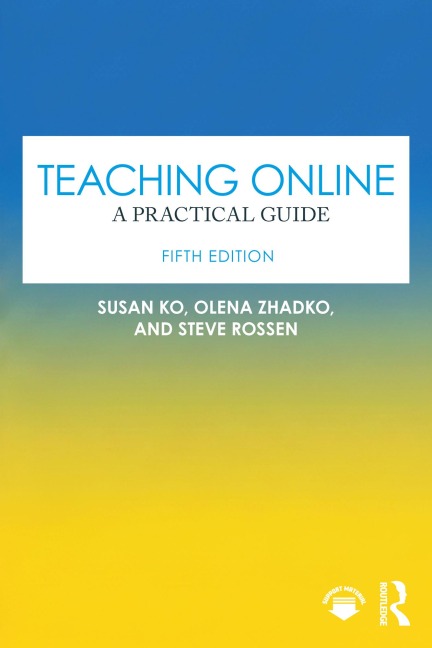
Teaching Online: A Practical Guide is a comprehensive and accessible guide to teaching online. Whether teaching online for the first time or seeking fresh approaches, Teaching Online: A Practical Guide provides the roadmap, tools, and inspiration for those engaged in designing and teaching of online courses, in any modality-fully online, blended, or enhanced with digital tools. This 5th edition of the bestselling book maintains its reader-friendly tone and exceptional practical advice while presenting the latest technologies, fresh insights, and real-life examples from faculty teaching today as well as others working in online education. Included are new case studies and interviews with faculty and instructional designers, in depth focus on blended classes, and both synchronous and asynchronous modes of instruction, along with new chapters on the selection and thoughtful integration of digital and AI-driven tools, and teaching large enrollment classes. Covering every stage of online teaching from design and development, preparation of students and faculty for online teaching and learning, to the management, facilitation, and assessment of online learning, this book provides a handbook for instructors as well as for those who support them.
Susan Ko is Adjunct Professor, Asian Studies and Humanities, University of Maryland Global Campus. Olena Zhadko is Interim University Executive Director of CUNY Online, City University of New York. Steve Rossen is Instructional Technologist and Electronic Librarian, formerly Manager of the Faculty New Media Center at University of California, Los Angeles.
1. Teaching Online: An Overview 2. Scouting the Territory: Exploring Your Institution's Resources Part II: Putting the Course Together 3. Course Design Considerations 4. Course Design and Development 5. Working with Others to Develop a Course 6. Creating an Effective Online Syllabus 7. Building an Online Classroom in an LMS 8. Student Activities in the Online Environment 9. Copyright, Intellectual Property, and Open Educational Resources 10. Selecting Digital and AI-Driven Tools Part III: Teaching and Learning in the Online Classroom 11. Preparing Students for Online Learning 12. Classroom Management and Facilitation 13. Navigating Special Issues 14. Making the Most of Blended and Enhanced Courses 15. Teaching Larger Classes 16. Taking Advantage of New Opportunities