Und dann auf "Zum Home-Bildschirm [+]".

Stöbern
genialokal zum Startbildschirm hinzufügen
Installieren Sie die genialokal App auf Ihrem Startbildschirm für einen schnellen Zugriff und eine komfortable Nutzung.
Installieren Sie die genialokal App auf Ihrem Startbildschirm für einen schnellen Zugriff und eine komfortable Nutzung.
Ihr gewünschter Artikel ist in 0 Buchhandlungen vorrätig - wählen Sie hier eine Buchhandlung in Ihrer Nähe aus:

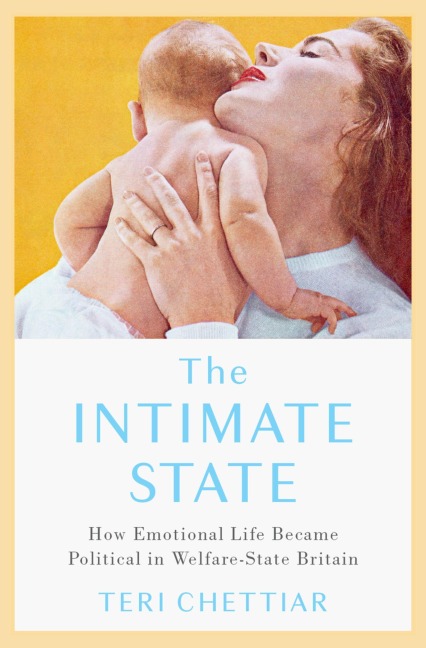
The Intimate State explores how state-supported mental health initiatives made emotional intimacy both politically valued and personally desired during a crucial period of modern British psychiatric and cultural history. Focusing on the transformative decades following World War II, Teri Chettiar narrates the surprising story of how individual emotional wellbeing became conflated with inclusive democracy and subsequently prioritized in the eyes of scientists, politicians, and ordinary citizens. This new model of emotional health promoted nuclear families and monogamous marriage relationships as fundamental for individual and political stability and fostered unexpected collaborations between British mental health professionals and social reformers who sought to resolve the Cold War crisis in political and moral values. However, this model also generated backlash and resistance from communities who were excluded from its vision of idealized intimacy, including women, queer people, and adolescents. Ultimately, these communities would foster a new generation of activists who would turn the state agenda on its head by demanding political recognition for marginalized citizens on the basis of emotional health. Through new archival research, The Intimate State traces the rise of a modern psychiatric view of the importance of intimate relationships and the resultant political culture that continues to inform identity politics--and the politics of social equality--to this day.
Teri Chettiar is Assistant Professor in the History Department at the University of Illinois, Urbana-Champaign. She is a historian of the mind and human sciences whose work addresses the relationships between mental health, social and political reform movements, and gender and sexual identities.
- Introduction - Making Relational People: The Politics of Emotional Life in Post-1945 Britain - Part I: The Welfare State's Intimate Places and People - Chapter 1 - Democracy as Therapy: Psychiatry and the Social Environment in Interwar and Wartime Britain - Chapter 2 - The Welfare State Begins at Home: "Deprived" Children and Britain's Future After the War - Chapter 3 - Problem Mothers: Maternal Neglect, Mental Illness, and the Fragility of Female Maturity - Chapter 4 - "More than a Contract": Marriage Welfare Services and the Politics of Intimacy - Part II: Sexual Revolution and Intimacy Reimagined - Chapter 5 - Pursuing Connection: Queer Romance and Friendship During Britain's Sexual Revolution - Chapter 6 - Inherently Unstable: Adolescent Sexuality at the Boundary of Private Life - Chapter 7 - "Home Is for Many a Very Violent Place": Healing from Family Violence in 1970s Britain - Epilogue - Intimacy in the Age of the Individual - Bibliography