Und dann auf "Zum Home-Bildschirm [+]".

Stöbern
genialokal zum Startbildschirm hinzufügen
Installieren Sie die genialokal App auf Ihrem Startbildschirm für einen schnellen Zugriff und eine komfortable Nutzung.
Installieren Sie die genialokal App auf Ihrem Startbildschirm für einen schnellen Zugriff und eine komfortable Nutzung.
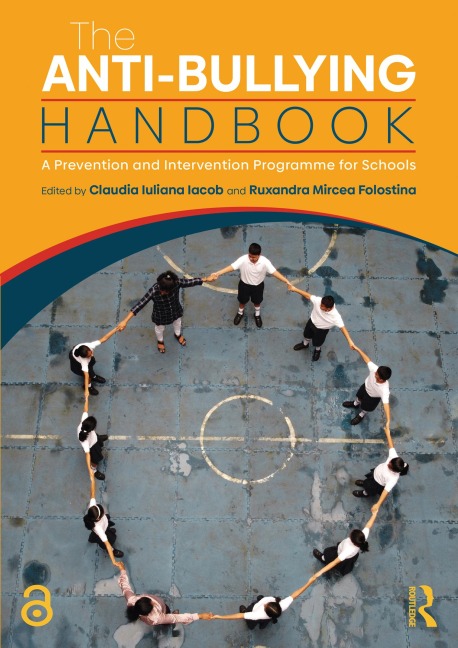
Bullying affects children's well-being, academic success, and social development. This practical handbook equips teachers and parents with the knowledge, skills, and strategies they need to help prevent and address bullying in schools. The book offers an evidence-based, structured approach to help teachers recognize, intervene in, and prevent bullying behaviors. Developed from an Erasmus project involving a consortium of schools, universities, and social organisations, the book shows how schools can create a safer, more inclusive environment where students feel protected and supported. Chapters combine theory, pedagogical strategies, real-life scenarios, and hands-on activities and are designed for flexible implementation either through self-study or as part of guided professional development. Chapters cover: . Understanding the causes of bullying - unpacking the psychological, social, and environmental factors that contribute to bullying behaviours. . Enhancing classroom management - establishing positive discipline strategies and creating a safe classroom environment. . Improving teacher-student relationships - strengthening communication and emotional accessibility between teachers and students to build trust and encourage open discussions. . Developing effective intervention strategies - how to identify, respond to, and prevent bullying incidents, ensuring early intervention and support for all students involved. . Collaborating with parents and communities - encouraging cooperation between educators, parents, and communities to create a unified anti-bullying framework in schools. . Supporting student resilience - teaching students social-emotional learning (SEL) skills that promote self-confidence, healthy peer interactions, and constructive conflict resolution. Providing readers with a solid understanding of bullying and a wide range of actionable and easy-to-implement strategies to improve school climate and student well-being, this is essential reading for teachers and school leaders.
Claudia Iuliana Iacob is a senior lecturer at the University of Bucharest and a supervisor in clinical psychology and CBT accredited by the Romanian College of Psychologists, with over 15 years' experience in the field. Since 2017 she integrates practice with teaching and research, focusing on mental health, education, and evidence-based psychotherapy. Ruxandra Mircea Folostina is an associate professor at the University of Bucharest, focused on special and inclusive education. She is actively involved in international research on inclusion and neurodevelopmental disorders, as well as multiple Erasmus+ projects. She has over 20 years of practical experience in the field of special education.
Preface Part 1: Foundations 1. Understanding Bullying and Cyberbullying in Contemporary Education (Claudia I. Iacob) 2. Why Bullying Prevention Matters: Impact, Risk, and Protective Factors (Claudia I. Iacob & Georgeta Pâni-oara) Part 2: Building Safe and Inclusive Environments 3. European Anti-bullying Frameworks and Policies (Ruxandra Mircea Folostina) 4. The Role of School Climate in Bullying Prevention (Ruxandra Mircea Folostina) 5. Diversity, Equity, and Inclusion in Bullying Prevention (Claudia I. Iacob & Andreea E. Constantinescu) Part 3: Prevention Strategies in Action 6. Classroom Practices for Bullying Prevention (Ruxandra Mircea Folostina) 7. Developing Empathy, Regulation, and Conflict Skills (Ruxandra Mircea Folostina) 8. Empowering Bystanders and Building Peer Support (Ruxandra Mircea Folostina) 9. Cyberbullying and Digital Safety in the AI Age (Claudia I. Iacob, Denisa A. Vlad, -tefania B. Vlasceanu) Part 4: Responding to Bullying 10. Addressing Bullying Incidents: Evidence-Informed Responses (Claudia I. Iacob & Daniela Ionescu) 11. Supporting Victims, Working with Perpetrators, and the Bully-Victim (Ruxandra Mircea Folostina) 12. Engaging Families and the Community (Ruxandra Mircea Folostina) Part 5: Sustainability and Assessment 13. Teacher Self-Efficacy and Wellbeing (Claudia I. Iacob & Eugen Avram) 14. Programme Implementation, Evaluation, and Sustainability (Claudia I. Iacob)