
Stöbern
genialokal zum Startbildschirm hinzufügen
Installieren Sie die genialokal App auf Ihrem Startbildschirm für einen schnellen Zugriff und eine komfortable Nutzung.
Installieren Sie die genialokal App auf Ihrem Startbildschirm für einen schnellen Zugriff und eine komfortable Nutzung.
Tippen Sie einfach auf Teilen:
 Und dann auf "Zum Home-Bildschirm [+]".

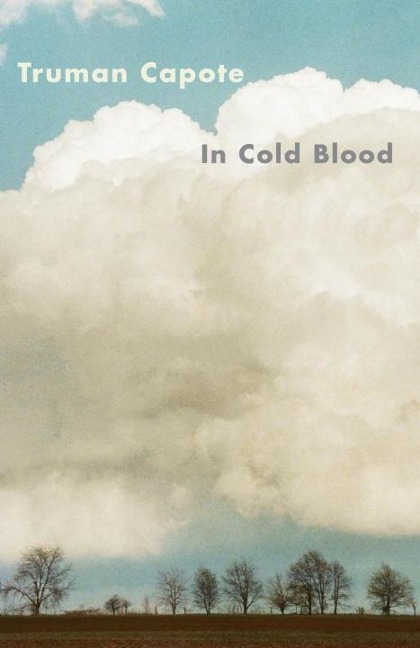


Truman Capote's masterpiece of true crime, intensely researched and vividly atmospheric-"as it if were happening before [the reader's] very eyes" (Time) "Harrowing . . . The best documentary account of an American crime ever written. . . . The book chills the blood and exercises the intelligence."-The New York Times Book Review On November 15th, 1959, Richard Eugene Hickock and Perry Edward Smith brutally murdered the Clutter family in Holcomb, Kansas. This superb work, an exhaustively researched narrative of the lives of the family and the men who killed them, created a sensation when it was first published, serially, in The New Yorker in 1965. Perry Smith is one of the great dark characters of American literature, full of contradictory emotions. "I thought he was a very nice gentleman," he says of Herb Clutter. "Soft-spoken. I thought so right up to the moment I cut his throat." Told in chapters that alternate between the Clutter household and the approach of Smith and Hickock in their black Chevrolet, then between the investigation of the case and the killers' flight, Capote's account is so detailed that the reader comes to feel almost like a participant in the events.
Truman Capote was born September 30, 1924, in New Orleans. After his parents' divorce, he was sent to live with relatives in Monroeville, Alabama. It was here he would meet his lifelong friend, the author Harper Lee. Capote rose to international prominence in 1948 with the publication of his debut novel, Other Voices, Other Rooms. Among his celebrated works are Breakfast at Tiffany's, A Tree of Night, The Grass Harp, Summer Crossing, A Christmas Memory, and In Cold Blood, widely considered one of the greatest books of the twentieth century. Twice awarded the O. Henry Short Story Prize, Capote was also the recipient of a National Institute of Arts and Letters Creative Writing Award and an Edgar Award. He died August 25, 1984, shortly before his sixtieth birthday.